Rehearsing for the Critical Moment: Emergency Preparedness at Alon A+B Buildings in Ofer Park
13 October 2026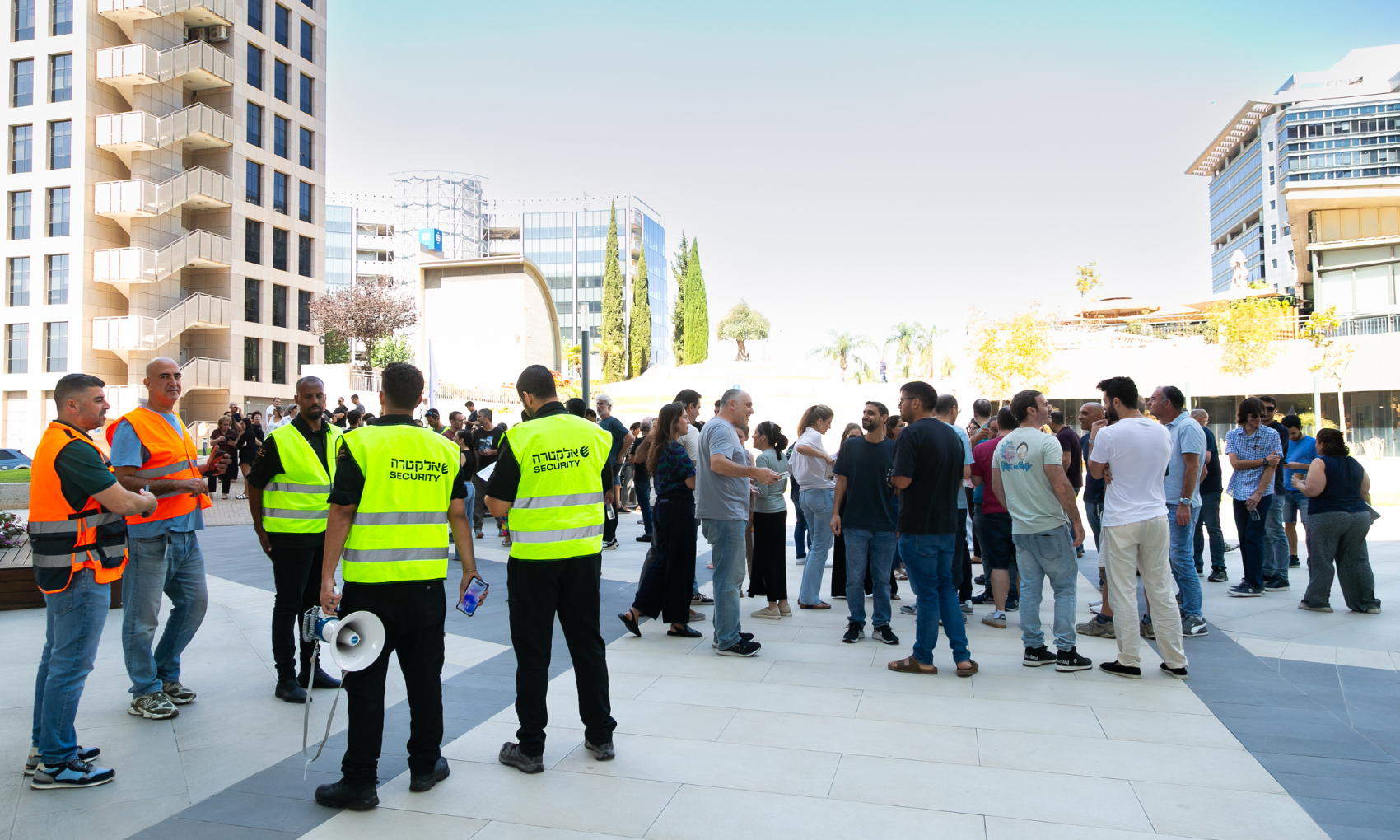
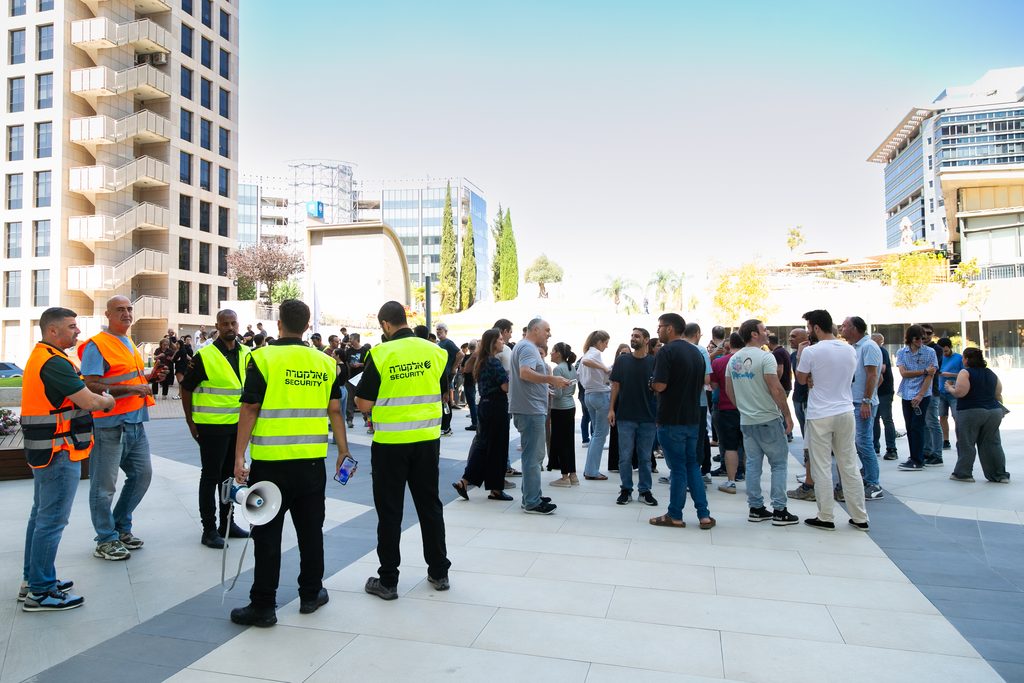
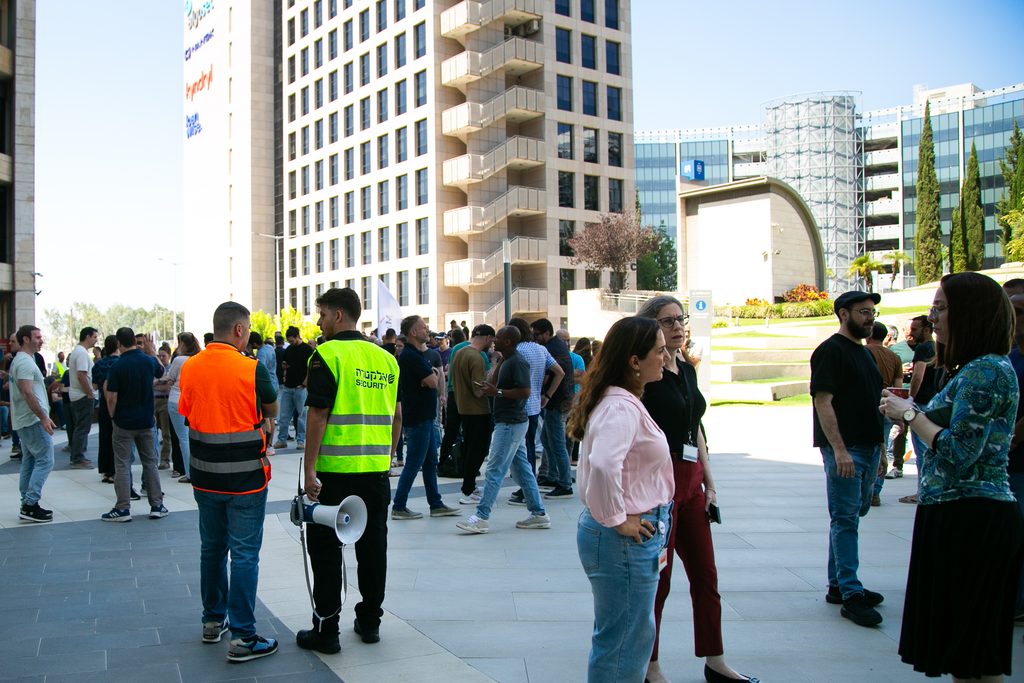
Marking the International Day for Disaster Risk Reduction on October 13 highlights the importance of proactive emergency preparedness. Readiness does not begin when an alarm sounds. It is built into everyday operations through regular drills, coordination, and collaboration among all those who must work together during an actual emergency. As part of an ongoing series of emergency exercises, an evacuation drill was conducted on Wednesday, September 9, 2026, at the Alon A+B buildings in Ofer Park. The exercise simulated a fire emergency and assessed the readiness of emergency teams, tenant companies, and employees to respond effectively to a real-life scenario.
The drill involved employees and tenant companies present in both buildings, providing an opportunity to test emergency systems, evacuation procedures, and coordination between the various parties. All companies operating in Alon A+B participated, including MAXLinear, Mprest, SKYLine, Webbing, SaverOne, and Transtech.
The exercise was led by Noam Bashari, Security Manager at Ofer Park on behalf of Electra Security, an Electra FM company, with the support of Erez Zahavi, Regional Manager at Electra Security, and in collaboration with Haim ben ezri, Park Manager on behalf of Ariel Properties. As the company responsible for managing the park, Ariel Properties played an active role in emergency planning, coordination with tenants, and ensuring effective collaboration among all parties involved.

When Systems, People, and Organizations Must Work Together
Preparations for the drill began well before the exercise itself and included developing the emergency scenario, conducting preliminary system inspections, briefing tenant companies, and training designated personnel and emergency response teams.
One of the central elements of the exercise was the integration of the various parties operating within the park. Ariel Properties, Electra Security, maintenance teams, company management, and emergency response personnel were required to function as a unified system, with clearly defined responsibilities and effective coordination.
The ongoing collaboration between Ariel Properties and Electra Security at Ofer Park was also reflected in the scope of their involvement in the exercise. Alongside Ariel Properties’ overall management responsibilities, Electra Security teams played a significant role in preparations, participant training, on-site supervision, and the management of security and emergency response operations.

The drill brought together tenant companies’ security and emergency departments, operational and management teams, the park’s security and maintenance departments, and internal emergency response teams.
The Security Department was responsible for developing the scenario and coordinating the necessary preparations, conducting preliminary inspections of all relevant systems, training participants, assisting companies in establishing emergency response teams, collecting real-time data, and supervising activities on-site. The exercise also included securing and isolating designated areas, activating emergency alerts and public address systems, managing assembly points, and monitoring safety procedures.
The Maintenance Department also played a central role. Its teams carried out preliminary maintenance and system checks, brought elevators down to the ground floor as part of the simulated emergency scenario, and assessed the proper functioning and activation of relevant emergency systems.
At the same time, park management was involved in overseeing preparations, coordinating with tenants, providing the required approvals, and supporting the planning and training process. This created a coordinated framework connecting park management, security and maintenance teams, and the companies operating on-site.
The drill was designed to assess not only the evacuation process itself, but the performance of the entire emergency response framework, including evacuation times against established procedures, employee compliance, reporting accuracy, communication between teams, documentation, and personnel accountability.
Emergency Support for Companies Without Dedicated Response Teams
A key focus of the preparations was ensuring that smaller companies received the support needed to respond effectively to an emergency. Larger organizations typically have established internal procedures, designated personnel, emergency teams, and monitoring mechanisms already integrated into their operations. Smaller companies, however, may not have a dedicated emergency management function, a structured response team, or formal procedures for handling emergency situations.
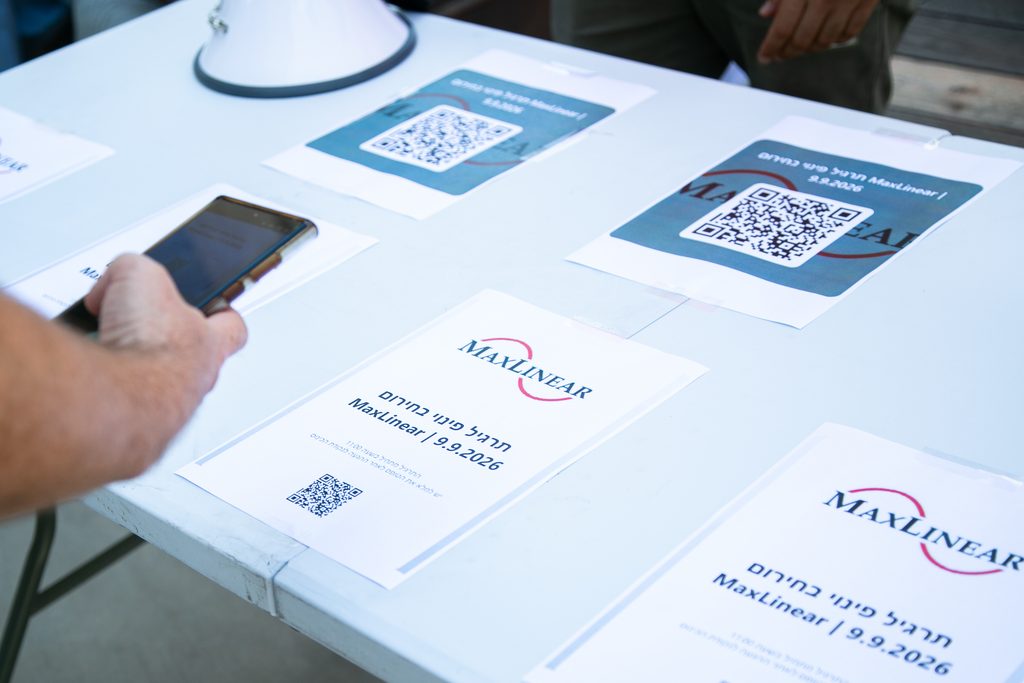
To address this gap, meetings were held with relevant representatives from each company during the preparation phase. Responsibilities were assigned according to operational needs and building locations, professional training and guidance materials were provided, and emergency response teams were established to meet each company’s specific requirements.
In addition, internal and shared communication channels were established among tenant emergency teams. Targeted operational instructions were distributed to help designated personnel understand the sequence of actions required and their responsibilities during an emergency.
This approach enables companies without independent emergency response capabilities to become part of the broader emergency management framework, familiarize themselves with relevant procedures and systems, and operate as part of a coordinated response during an actual incident.
Every Drill Builds on the Lessons of the Previous One
The latest exercise also incorporated lessons learned and areas for improvement identified in previous drills. Particular emphasis was placed on strengthening communication between companies during an emergency and refining real-time monitoring and control mechanisms.
The results demonstrated improvements across several key performance indicators. Evacuation time met the established target and was shorter than anticipated, employee compliance improved compared with previous exercises, and internal control mechanisms and the availability of designated personnel performed better than expected.
Following the drill, each participating company received individual feedback based on its performance and internal emergency response arrangements. The overall findings reinforced a clear message: effective communication between companies, cooperation among designated personnel, and a clear division of responsibilities are critical to the success of emergency drills and even more essential during an actual emergency.
Planning is already underway for future exercises. Next year, additional Electra FM companies are expected to participate actively in the drill, this time also from the client’s perspective. Their involvement will enable the testing of an additional layer of coordination between park management, service providers, and tenant companies, further strengthening collaboration in emergency scenarios.
The emergency drills conducted at Ofer Park, including the recent exercise at Alon A+B, are part of an ongoing process of learning, adaptation, and continuous improvement. Beyond testing systems and procedures, these exercises provide an opportunity to practice one of the most important aspects of an effective emergency response: the ability of different companies, teams, and designated personnel to operate as one coordinated unit, supported by clearly defined responsibilities, continuous communication, and real-time collaboration.