
The New Building: How Electra FM Connects Technology, Data and User Experience
18 August 2026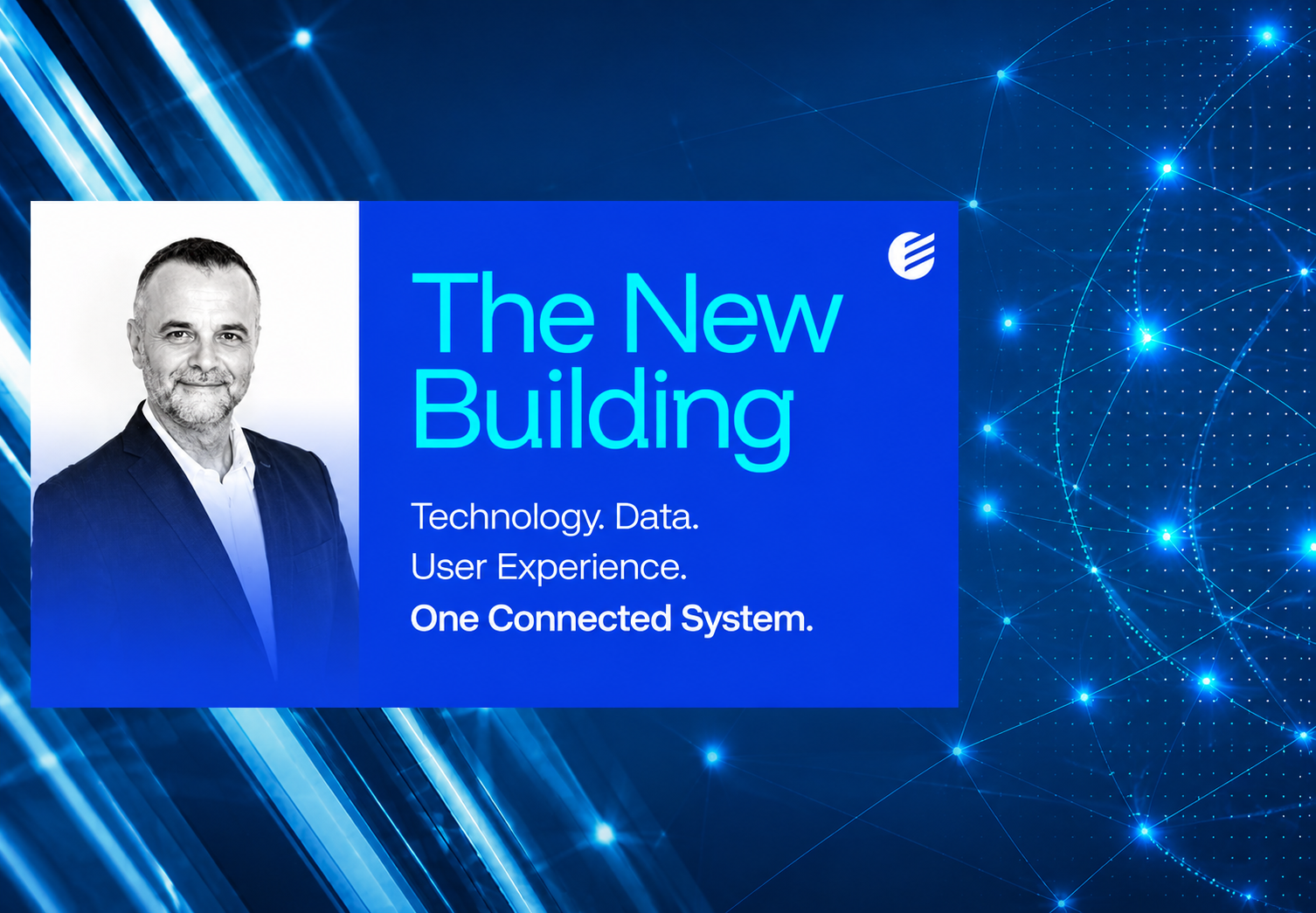
The new generation of smart buildings is no longer measured by the number of advanced systems installed within them, but by the ability to connect those systems, turn data into insights and translate those insights into decisions. This shift is redefining not only how buildings are managed, but also the user experience and the value they create over time.
Smart HVAC, advanced lighting, digital access control and sensors can make a building technologically advanced, but not necessarily smart. As long as these systems operate independently, they remain isolated “islands” of information.
“What makes a building smart today is not the amount of technology installed within it, but the level of connectivity between its systems and the value we are able to derive from the information,” explains Piki Kaufman, VP of Engineering & Procurement, Electra FM. “Intelligence is created when systems share data, insights are translated into action and the results can be measured.”
This is one of the key shifts taking place in building management today: moving from a collection of advanced systems to a building that operates as one connected system.
When Data Becomes a Management Tool
Building systems today generate vast amounts of data, including energy consumption, temperature and air quality, equipment performance, occupancy and space utilization. The challenge is no longer simply to collect the data, but to understand the relationships between different data points and use them to make informed decisions.
For Electra FM, this connectivity makes it possible to view the building as a whole. When information from different systems comes together into a single picture, anomalies can be identified earlier, maintenance activities can be prioritized and the impact of a change in one system on the building’s overall performance can be assessed.
This is also changing the way management and maintenance teams work. Instead of waiting for a malfunction, a complaint or a routine inspection, early warning signs can be identified and addressed before the issue develops into a significant event.
According to Kaufman, this represents a shift from “firefighting” to proactive management: “The question is no longer simply what happened, but what the data is telling us and what we need to do now. Over time, this capability also allows us to ask what is likely to happen next and what we can do in advance.”
This trend is becoming even more significant as demand for greater energy and operational efficiency in buildings continues to grow. Organizations are looking for ways to reduce resource consumption, improve asset performance and manage building systems with greater precision. Smart building technologies make this possible, but technology alone is not enough. Real value is created when the information generated by these technologies becomes a practical management tool that enables better decision-making and more efficient, intelligent asset management.
Users Do Not See the Technology. They Experience It.
Ultimately, the true test of a smart building does not take place only in the control room. It is experienced in a meeting room where air quality adjusts to occupancy, in a space where HVAC conditions respond to actual needs and in a malfunction that is addressed before it ever becomes a disruption for the user.
“Users do not need to know how many sensors are operating above them or which systems are communicating with one another,” says Kaufman. “From their perspective, the building simply needs to work as it should. It needs to be comfortable, stable, available and responsive to their needs.”
For property owners, the implications are even broader. Occupancy data can help reveal how spaces are being used, energy data can uncover unusual consumption patterns and system data can help identify equipment wear. When these data points are connected, they evolve from a series of separate metrics into a management tool that enables more precise decisions about the asset.
The Next Step: A Building That Learns
The next stage of this evolution is already beginning to take shape. Artificial intelligence, advanced analytics and digital twins are gradually enabling a shift from buildings that report what is happening to buildings that can identify patterns, anticipate what may happen next and adapt their operations accordingly.
The role of the building manager is evolving as well. As systems take on more monitoring and analysis, the manager moves from technical and reactive management toward a broader approach to asset performance, integrating operations, maintenance, energy and user experience.
For Electra FM, this is precisely the shift that is redefining the world of Facility Management: not simply operating systems, but connecting them, understanding the information they generate and turning that information into decisions that improve asset performance.
Ultimately, technology is only the infrastructure. True intelligence lies in the ability to turn the information it generates into more precise management, a better user experience and an asset that performs better over time.