Behind the Generator: The Hidden Factor That Can Determine Backup Power Reliability
28 October 2026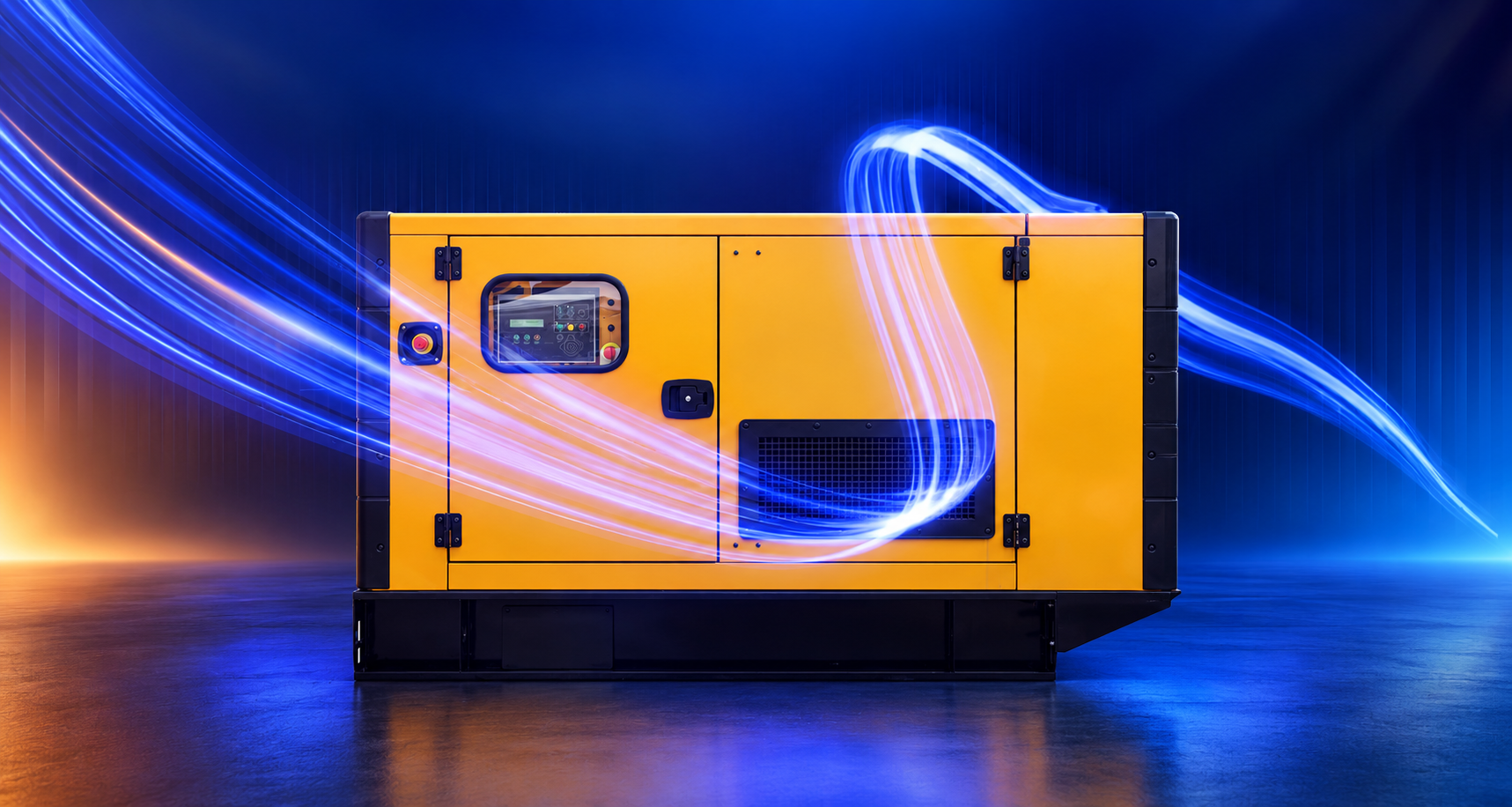
A backup power system can be well-maintained, thoroughly tested, and ready for operation. Yet its ability to deliver electricity when it matters most also depends on what is inside the diesel fuel tank. At a professional webinar hosted by Electra FM in collaboration with Logia, industry experts explored one of the often-overlooked elements of operational continuity: fuel quality, fuel maintenance, and the technologies that enable ongoing monitoring of fuel conditions.
In critical facilities, an emergency generator serves as one of the site’s most important layers of protection. It is designed to operate when the main power supply becomes unavailable, allowing essential systems, infrastructure, and processes to continue functioning.
However, beyond maintaining the generator itself, another factor affects the readiness of the entire backup power system: the diesel fuel stored in its tank.
Fuel stored for extended periods can be affected by the accumulation of water, particles, sediment, emulsions, and microbial contamination. These factors may compromise diesel fuel quality and ultimately affect the reliability of the system that depends on it during an emergency.
Connecting Professional Expertise with Real-World Operations
On September 6, 2026, Electra FM hosted a professional webinar in collaboration with Logia as part of its ongoing efforts to strengthen technical expertise and professional development across the company.
The webinar brought together 60 employees from various companies and was led by Oron Antebi, Chief Electrical and Quality Engineer at Electra FM, in professional collaboration with Logia.
The session was presented by Eli Ohayon, VP of Marketing and Operations at Logia, and Yair Harel, the company’s CEO.
Throughout the session, participants examined the importance of routine diesel fuel maintenance and periodic fuel sampling in maintaining backup power system readiness. They explored the role of fuel filtration and sampling, methods for addressing free water, emulsions, bacteria, and particulate contamination, and how fuel conditions can affect generator performance.
The webinar encouraged active participation, with employees raising technical questions based on their field experience and connecting the knowledge presented to the practical situations and challenges encountered by teams across different facilities.
Beyond Fuel Levels: Understanding Fuel Condition
One of the key insights highlighted during the webinar was that having diesel fuel in the tank does not, in itself, guarantee that a backup power system is fully prepared for operation.
Fuel maintenance involves addressing conditions that may develop inside the tank over time. The technical materials presented outlined processes that include separating water and sediment, filtering out particles and bacteria, and reducing water content in the fuel.
This reinforces the importance of integrating fuel maintenance into the overall backup power system maintenance routine, rather than treating it as a corrective measure performed only after a problem has been identified.
From Periodic Maintenance to Continuous Monitoring
Alongside established maintenance practices, the webinar introduced automated systems that add a layer of continuous monitoring and control to fuel maintenance processes.
Depending on the system type and facility requirements, these solutions may include automatic filtration, water separation, pressure and overflow sensors, system operation controls, and alerts when abnormal conditions are detected.
Some systems can also be integrated with a facility’s building management system (BMS), allowing fuel maintenance system status to become part of the building’s broader monitoring infrastructure.
More advanced solutions incorporate control units, monitoring displays, and sensors that enable continuous operational monitoring and automatic shutdown in the event of a critical malfunction.
This represents a significant shift in approach: moving from maintenance primarily based on scheduled activities toward a more comprehensive and continuous understanding of one of the most critical components of backup power infrastructure.
Backup Power Reliability Depends on the Entire System
This issue is particularly significant in facilities where a power outage could have an immediate impact on essential operations. Applications discussed during the webinar included hospitals, data centers, telecommunications facilities, military bases, office buildings, and commercial centers.
In such environments, emergency preparedness does not depend on a single component. It relies on the integration of electrical infrastructure, generators, control systems, maintenance routines, and the ability to ensure that the fuel stored in the tank can perform as required when the time comes.
In this context, diesel fuel quality may be an often-overlooked factor, but it remains an essential part of a backup power system’s ability to fulfill its intended purpose.
Expanding Knowledge, Strengthening Professional Standards
The webinar forms part of Electra FM’s ongoing commitment to advancing professional knowledge, introducing advanced technologies and working methods, and connecting technical expertise with the practical experience gained every day across its facilities.
The professional discussions and questions raised by employees demonstrated the value of this connection: going beyond familiarity with the systems themselves to developing a deeper understanding of the factors that influence their operational readiness and their ability to perform when they are needed most.
Because emergency preparedness does not begin the moment the power goes out. It is built long before that, through maintenance, testing, monitoring, and a thorough understanding of every component that keeps the system running.