Between the Home That Was Lost and the Lives That Were Saved: The Story of Moshe Mirensky
7 October 2026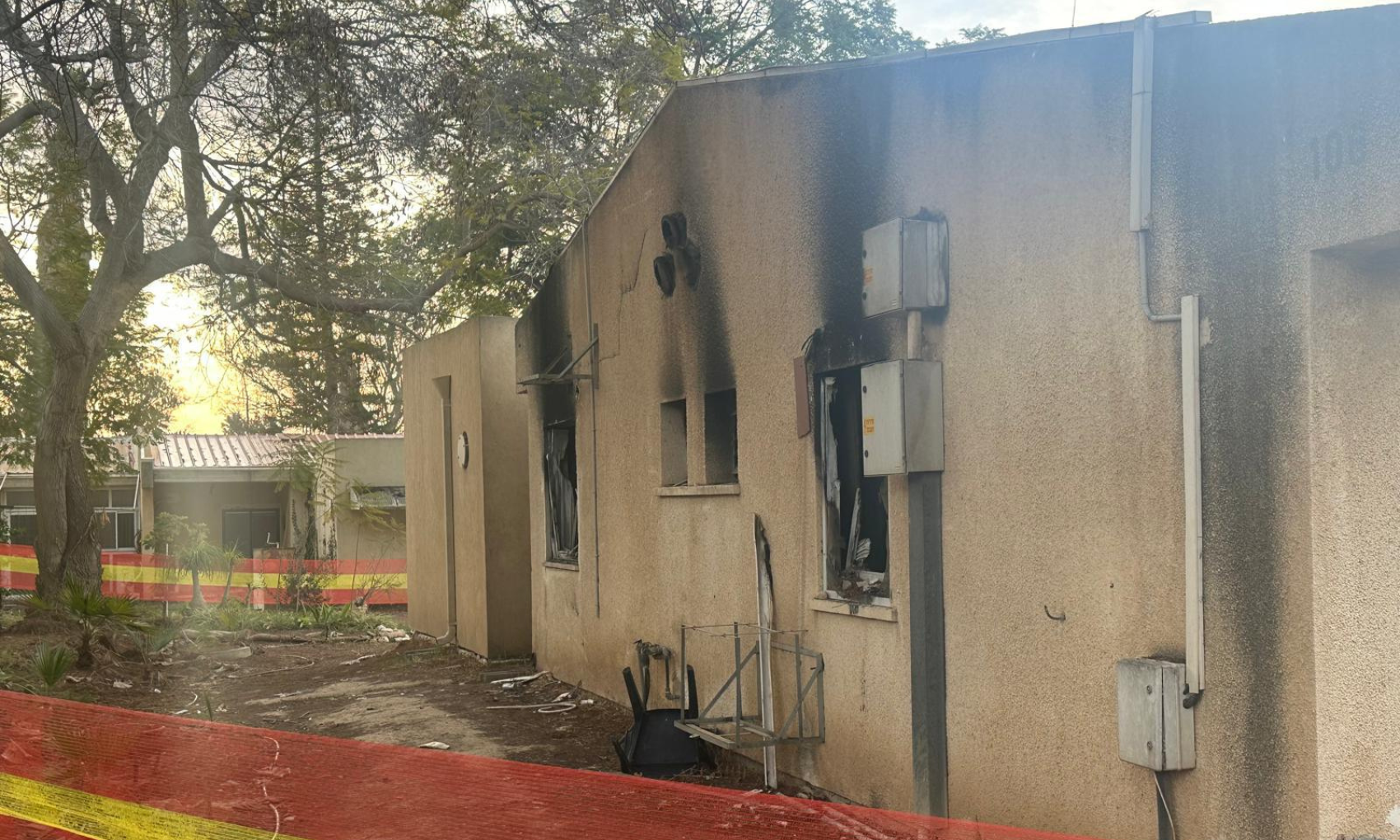
To mark three years since the events of October 7, Electra FM continues to give space to the personal stories carried by its employees and their families. The story of Moshe Mirensky, Security Officer for Carrefour in Northern Israel at Electra Security, begins with the home where he grew up and the family that welcomed him as one of their own. It continues into one morning when that same home became a battlefield, and loss, danger, and survival became part of one reality.
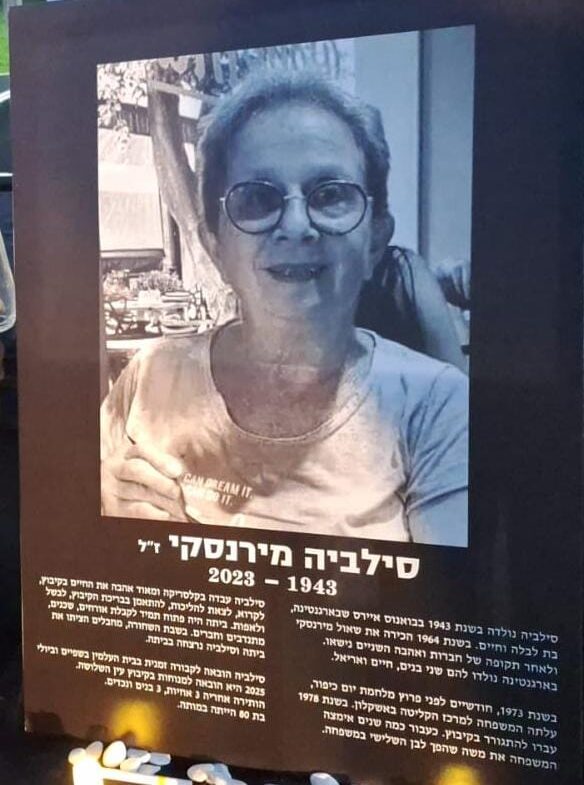
Moshe arrived at Kibbutz Ein HaShlosha in 1980 as an adopted child. The Mirensky family, Sylvia and Shaul, together with their sons Ariel and Haim, welcomed him as a son in every sense, and he became the third and youngest child in the family. He grew up there until after his military service, and it is the only family he has ever known.
“To me, they are my parents. They are my real parents,” he says. “I don’t know any other upbringing, and I don’t know any other family. They were with me through every stage of my life.”
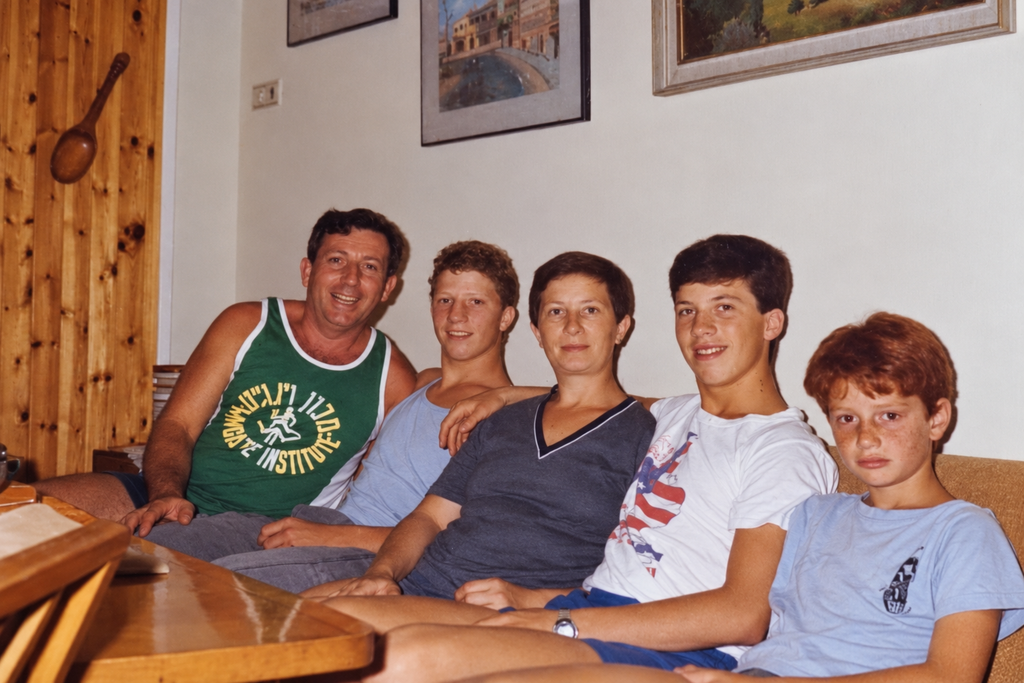
On July 15, 2022, his father, Shaul, died of a heart attack. From that moment on, one thing was clear to Moshe: he would not leave his mother, Sylvia, alone. Every two or three weeks, he would come to Ein HaShlosha for Shabbat or the weekend, sleep at the house, and stay by her side.
He was supposed to be there on the weekend of October 7 as well. His brother Ariel had returned from Eilat that week, and Moshe had already told him they would go together to visit their mother. But Ariel was tired from the drive and asked to postpone the visit. Usually, Moshe says, even if no one joined him, he would go alone. That time, for reasons he still cannot explain, he agreed to wait until the following week.
“Ariel and I still talk about it today. On the one hand, you tell yourself, wow, we survived. On the other hand, you wonder what would have happened if we had been there. Could we have done something differently? Would anything have changed? Those are questions that stay with you.”
On Saturday, October 7, 2023, at around 6:30 a.m., Moshe woke up to a phone call from the brother of his partner, Nili. At the time, they were living in Oranit. Within minutes, they turned on the television and realized that this was unlike anything they had experienced before.
At around 6:40 a.m., Moshe was already speaking with his mother. She told him about the Red Alert sirens, explosions, rockets, and interceptions. According to Moshe, the door to her safe room weighed around 300 kilograms and was difficult for her to close, so she lay in the room with the television on, listening to what was happening outside. Moshe kept calling her to check on her.
Then he received an update from Gabi, a childhood friend from Ein HaShlosha. Gabi’s mother, Jacqueline, had called him and said, “There are terrorists on the lawn in the kibbutz.”
At that moment, the situation began to become clear. Terrorists had entered Ein HaShlosha through the rear gate, near the animal corner, and were moving through the kibbutz paths. Jacqueline’s home was only a few meters away from Sylvia’s.
Moshe immediately called his mother to warn her. But she could already hear and see what was happening. She told him that the terrorists were close to the house, yet in the middle of everything she said, “Moshe, I’m going to the kitchen to make coffee.”
Moshe understood the danger she was in and did not know what to do. He began getting angry with her, desperately trying to convince her to remain inside the safe room.
“You’re far away. You’re talking to your mother on the phone, you know there are terrorists next to her house, and there is absolutely nothing you can do.” He asked her to go into the safe room, turn off the lights and television, and remain quiet.
When he realized that she still did not fully understand the severity of the situation and was not listening to him, he called his brother Ariel and asked him to speak with her as well. Ariel’s call with their mother became the last conversation anyone had with her.
“Ariel… they’re burning me. They’re burning me.” According to Moshe, those were the last words Ariel heard from her. After that, there was only the sound of her breathing, until that too stopped. As Moshe remembers it, all contact with Sylvia was lost between 9:00 and 9:15 a.m.
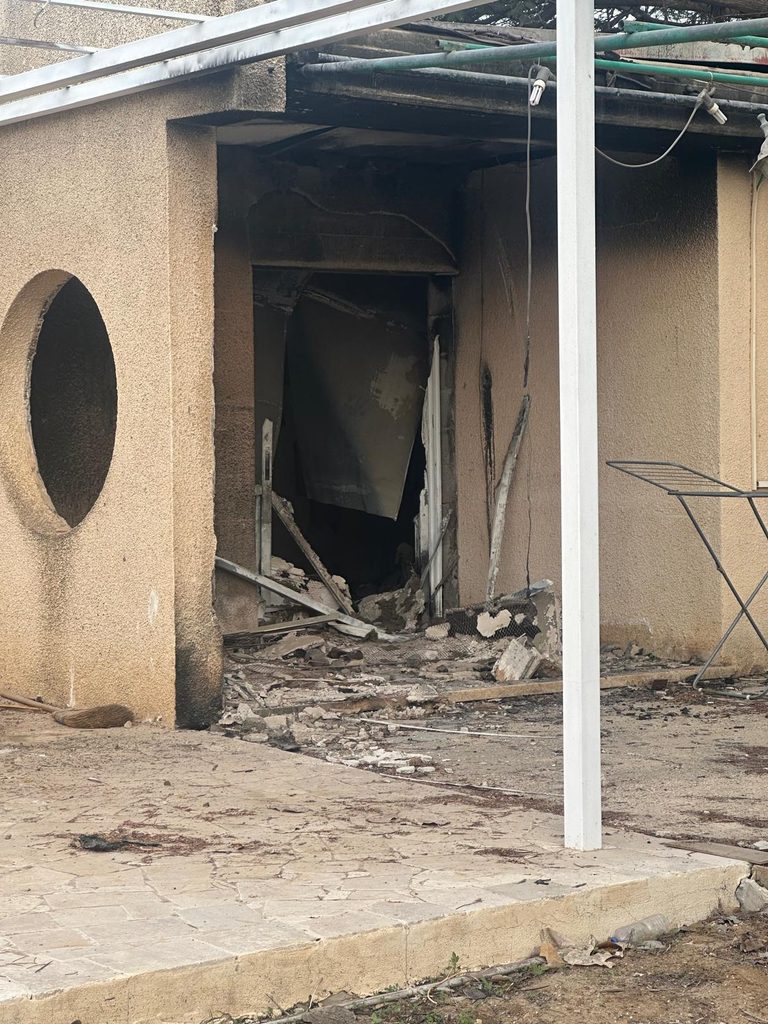
At the same time, while Moshe and his brothers were far from the kibbutz and unable to reach their mother, Matan Melihi, a member of the kibbutz emergency response team who lived directly across from Sylvia’s home, was in his house with his wife, Odia, and their three children. Their home was also under attack, and Matan was trying to protect his family with only a handgun and ten bullets.
At around 9:15 a.m., Matan saw Sylvia’s house going up in flames. Despite the danger, he went out with Dov Zaguri, a kibbutz resident who serves as a police officer, and the two ran toward her home. They reached the safe room area and tried to break through the shutters to get to Sylvia, but terrorists spotted them and opened fire from behind. Neither man was hit, but they were forced to retreat.
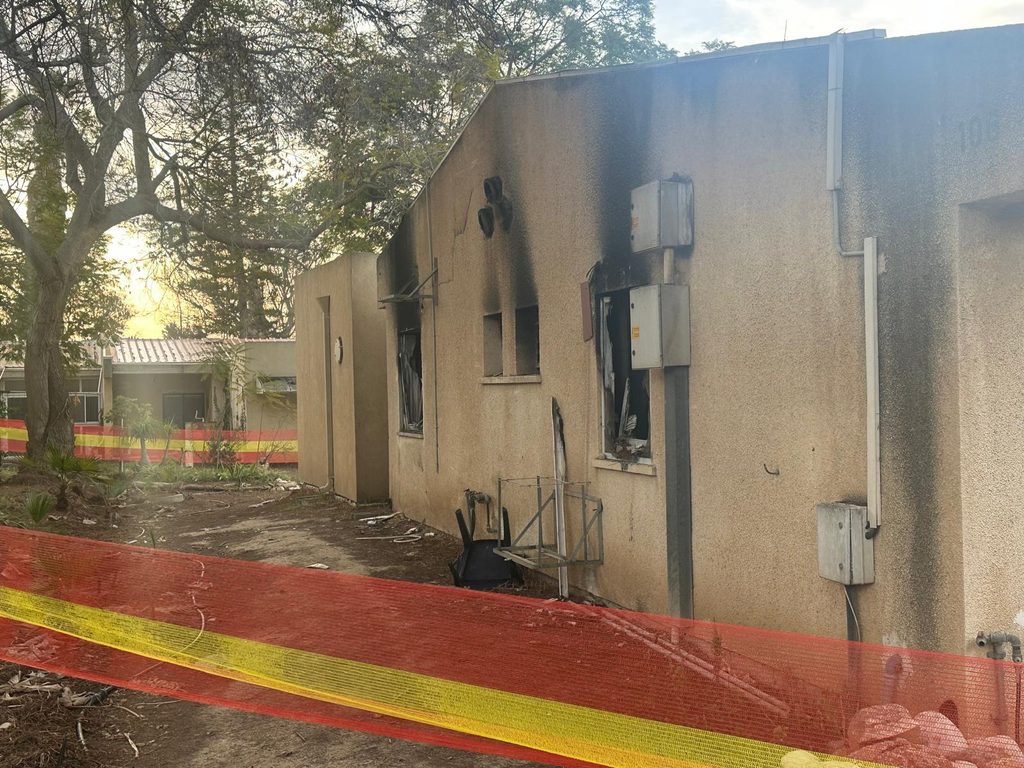
Matan returned to his home, where his wife and children were waiting inside the safe room. During that morning, terrorists entered the house four times. On one occasion, one of them began advancing toward the safe room where Matan’s family was hiding. Matan, who was in the adjacent room, shot and wounded him. The other terrorists fled, but the wounded terrorist remained inside and continued screaming in pain. Fearing that the screams would draw more terrorists to the house and expose his family’s location, Matan dragged him into the adjacent room and was forced to kill him at close range using the butt of his weapon, without firing another shot.
“Through everything Matan was going through that morning, while his own family was in mortal danger, he saw my mother’s house burning and went out to try to reach her,” Moshe says. “He wasn’t able to save her, but it’s important to me that people know this. While we were far away and unable to do anything, there was someone there who tried.”
Moshe’s aunt Esther, Sylvia’s sister, was also in the kibbutz. According to him, terrorists reached her house and tried to open the door. Her dog began barking loudly, and it is possible that this caused them to move on. Esther survived.
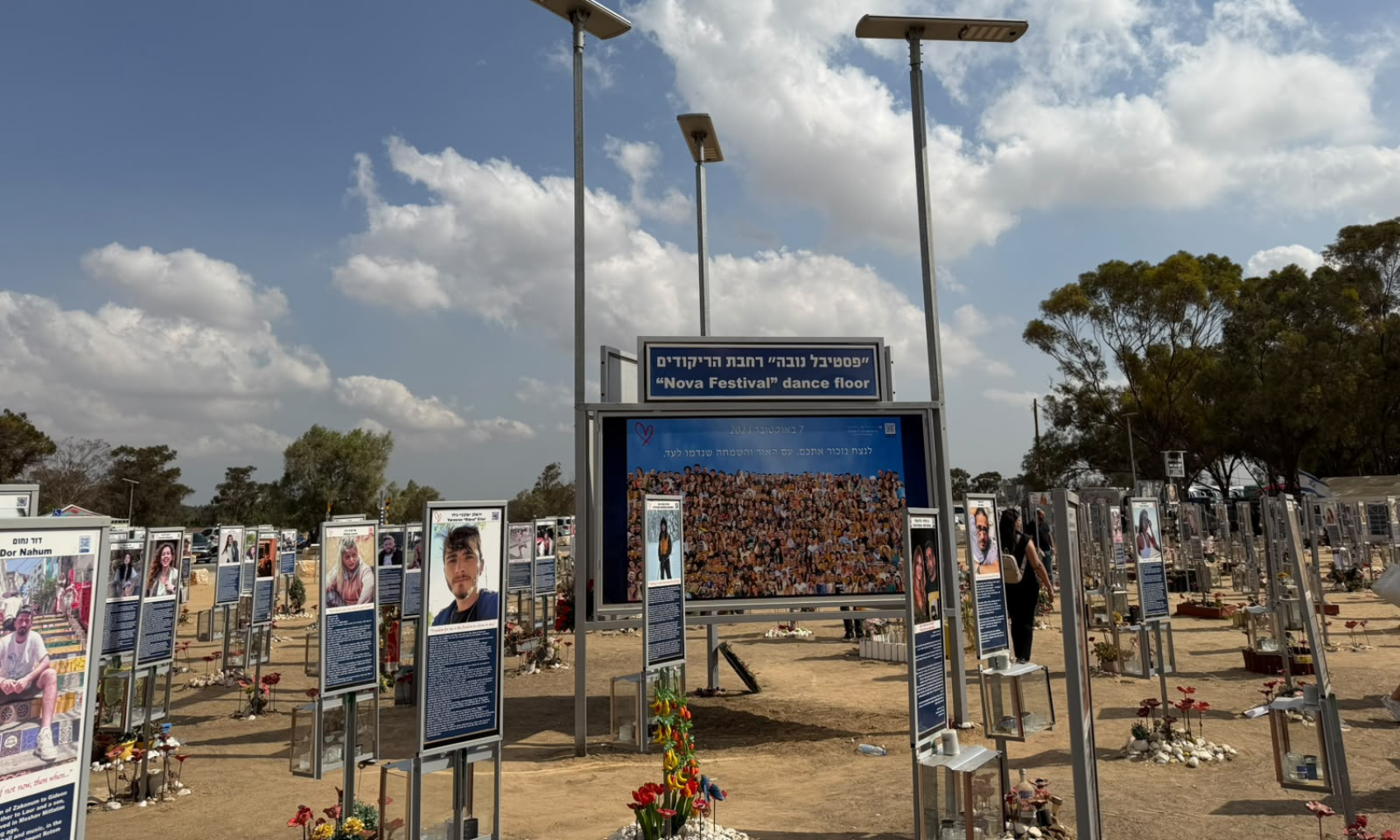
At the same time, the family was trying to understand what had happened to Bar, the daughter of Moshe’s brother Haim, who had been at the Nova music festival and could not be reached.
Ein HaShlosha was in the middle of a battle. Moshe recalls people he had known his entire life, neighbors and members of the community caught in the attack, and the kibbutz where he had grown up becoming a battlefield within a matter of hours.
Rami, the kibbutz security coordinator, tried to reach the weapons room. During the attack, his vehicle was hit by an RPG, and he was later shot at close range. Moshe also recalls Marcel, the mother of kibbutz resident Liora, who left her home that morning carrying sweets for her granddaughter, unaware that terrorists were already inside the kibbutz. She encountered them on the way and was shot. Noa Glazberg, a member of the kibbutz, was also murdered near her home. According to Moshe, as far as he knows, Noa tried to resist an attempt to abduct her. “These are people we know. This isn’t a story you see on television. This is your home.”
Amid the devastation, there were also extraordinary stories of survival. Jacqueline, the mother of Moshe’s friend Gabi, was around 80 years old when several terrorists entered her home and demanded money and jewelry. They later set the house on fire.
Jacqueline managed to escape through the low window of the safe room and began running through the paths of the kibbutz. Along the way, she saw Sylvia’s house burning and knocked on doors trying to find help. Near the kibbutz offices, a neighbor spotted her through a window, quietly called her over, brought her inside, and hid her. That is how she survived.
While Moshe was still trying to understand what had happened to his mother and what had become of Bar, his phone rang again. This time, it was his daughter, May.
“Dad, I’m okay. I’m in Tze’elim,” she told him. “What do you mean you’re okay? I didn’t even know you were at the party,” he replied. Only then did Moshe discover that his daughter had also been at the Nova music festival.
May told him that when the sirens began, she and the friend she was with immediately got into the car and tried to leave. There was heavy traffic near the exit from Re’im, so she decided to turn onto a dirt road. But vehicles coming from the opposite direction began turning around and shouting that a pickup truck carrying terrorists was firing at people on the road. They turned around and tried another route, only to encounter more people fleeing from the opposite direction.

At one point, in the middle of the chaos, May decided she had to stop for a moment. It seemed like a random decision, but according to Moshe, it changed the course of her life. The cars that continued ahead of her were hit, and people inside them were killed.
“Sometimes your life changes because of a decision that takes only seconds,” Moshe says.
Later, a police or Border Police vehicle stopped near them and directed them into the fields. May drove off-road across the plowed earth. Along the way, she was not only trying to escape the danger herself, but also stopped to pick up other festivalgoers fleeing the area. Eventually, there were around seven or eight people in her car, and together they managed to reach Tze’elim.
One of the people May picked up along the way, a man she had never met before that morning, has remained in touch with her ever since. Whenever he calls her, he refers to her as “May, who saved my life.”
When the situation in Ein HaShlosha began to calm slightly, one of the neighbors managed to reach Sylvia’s house. The house had burned. He approached the safe room and called her name. There was no answer.
But the family’s story that morning did not end there.
Bar Mirensky, Moshe’s niece, grew up in Kibbutz Or HaNer and was at the Nova music festival on October 7 with four friends, including singer Yuval Raphael, who represented Israel at the Eurovision Song Contest. During the festival, she also met Moshe’s daughter May.

Moshe says that both young women had previously traveled through South America, and their families had worried about their safety during the distant journey. “And in the end, it was here in Israel that the worst happened to both of them,” he says.
When the rocket fire began, the group got into a car and tried to return to Or HaNer. After realizing that terrorists were on the roads, they were forced to turn back and eventually reached a roadside shelter near Be’eri.
According to Moshe, there were 28 people inside the shelter. Terrorists repeatedly arrived at the site, throwing grenades and firing at the people inside. Bar was shot in the leg and later struck by three bullets in her back. For hours, she tried to survive while hiding beneath the bodies of people who had been murdered. Throughout those hours, she remained conscious.
When another group of terrorists entered the shelter, Bar was hit by a fifth bullet, this time in the lung. She felt the air leaving her body and believed she was about to die. She looked at her friends and told them, “Tell my parents I love them.”
After around seven hours, Moti Ezra and his son reached the shelter to rescue Moti’s daughter. During the rescue, they also brought Bar and other survivors out of the shelter.
Also there was Nimrod, Bar’s nephew and a soldier in a special unit, who happened to arrive at the scene. Nimrod applied a tourniquet to Bar’s leg, an action that, according to Moshe, saved her life. He later called her father, Haim, and told him that Bar was on her way to Soroka Medical Center.
Bar was evacuated in critical condition. Haim and his wife Lucy arrived at Soroka, but amid the chaos at the hospital they were unable to locate her for around four hours.
Tal and Chen, Haim and Lucy’s children, who were studying medicine in Italy, reached out through groups of medical interns and asked for help identifying Bar by her tattoos. One of the doctors recognized her, and that was how the family discovered that she had already been airlifted from Soroka to Shaare Zedek Medical Center in Jerusalem.
Moshe says that Bar arrived in a state of clinical death, remained unconscious for three days, and underwent five surgeries, followed by several additional procedures. Sixteen people were murdered inside the shelter. Bar, who had been hit by five bullets and survived seven hours inside, lived.
That morning, Moshe found himself trying, all at once, to reach his mother from afar, understand what had happened to his niece, and discover that his own daughter was fleeing the Nova music festival.
Three different family stories became intertwined for him on that same Saturday.
“This is my story of October 7,” he says. “I’m sure there are things I’ve left out. Three years have passed, and there are things that are engraved so deeply in me that I can still see and hear them as if they were happening now. Other things have blurred together, hours have blended into one another, and there are details I no longer always remember exactly. But one thing has never blurred: my mother was here, in this house, while my brothers Ariel and Haim and I were far away from her.”
But alongside the pain, nearly three years later, Moshe also wants to leave readers with another message.
“If there is one thing I want you to take from my story, it is something very simple: love the people who are close to you. Hug them as much as you can. Try not to let anger, arguments, or conflicts within the family create distance between you. Because in the end, we never truly know how much time we have together.”
Two or three weeks before October 7, the entire family had gathered with Sylvia. They ate, sat together, talked, and laughed. At the time, none of them knew that it would be the last time they would all be together with her.
“Today, almost three years later, I understand just how precious that simple moment was,” Moshe says. “So if there is one thing you take with you from my story, don’t wait for a special moment. Call. Meet. Hug. Tell people you love them. Because in the end, those are the moments that stay with us.”