
World Refrigeration Day: How the HVAC Industry Is Preparing for the Next Generation of Refrigerants
24 June 2026
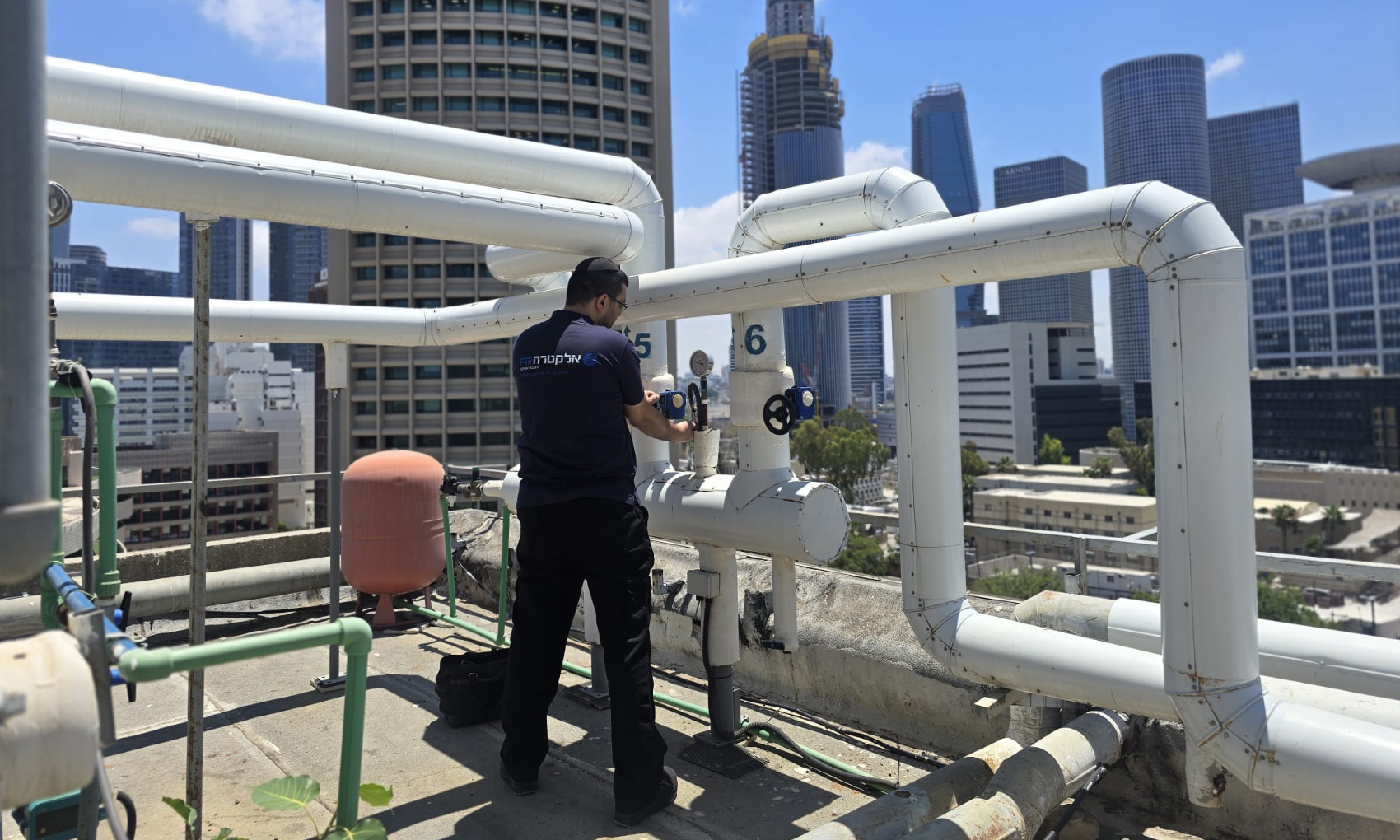
Cooling and air conditioning systems are among the most critical infrastructures in modern buildings. They directly impact operational continuity, occupant comfort, energy consumption, and the overall reliability of a facility. For Electra FM, which manages and maintains complex systems across a wide range of sites, the refrigeration and air conditioning sector is an integral part of its ability to provide clients with a safe, stable, and efficient working environment over the long term.
As World Refrigeration Day is observed annually around the globe, one of the most significant trends shaping the industry today is the transition to a new generation of refrigerants with reduced environmental impact. This shift combines environmental regulation, technological innovation, and evolving safety requirements, affecting all stakeholders across the refrigeration and air conditioning industry.
The Transition to a New Generation of Refrigerants
In recent years, many countries have introduced environmental regulations aimed at reducing the use of refrigerants with a high Global Warming Potential (GWP). As part of this trend, the adoption of R454B refrigerant continues to grow, as it is considered a more advanced and environmentally responsible alternative to refrigerants that have been widely used throughout the industry for many years.
The transition to new refrigerants is intended to reduce the environmental impact of refrigeration and air conditioning systems while maintaining high performance, reliability, and energy efficiency. However, this change involves far more than simply replacing a refrigerant. It represents a broad transformation that affects system design, installation processes, routine maintenance practices, and safety procedures.
One of the key characteristics of R454B is its classification as a low flammability refrigerant (A2L). Although its flammability level is considered low, its use requires a different professional approach, including the adaptation of work equipment, the use of dedicated leak detection devices, careful system design, and compliance with advanced safety and regulatory requirements.
Professional, Safety, and Environmental Readiness
The ongoing changes in the refrigeration and air conditioning sector require comprehensive professional preparedness, including the adaptation of work processes, updates to safety procedures, evaluation of specialized equipment, and the training of professionals to work with the next generation of cooling technologies.
For Electra FM’s Maintenance Division, this readiness is based not only on technology and standards but also on the continuous development of professional expertise in the field. Following the success of the Electricity Community, the Maintenance Division decided to establish an Air Conditioning and Refrigeration Community as well. Its purpose is to connect technicians from different companies, create a platform for professional dialogue, encourage knowledge sharing and field-based insights, and support collaboration in addressing industry challenges.
The community is designed to strengthen employee engagement, improve work quality, and promote professional excellence while reinforcing the Maintenance Division’s position as a leading and forward-thinking player in the air conditioning and refrigeration sector.
Looking Ahead
The transition to a new generation of refrigerants demonstrates how the refrigeration and air conditioning industry continues to evolve. Alongside new environmental requirements, there is an increasing need for advanced professional knowledge, strict safety practices, and familiarity with emerging technologies.
This transition is not intended solely to meet regulatory requirements. It also supports efforts to reduce the environmental impact of refrigeration and air conditioning systems while encouraging the adoption of more efficient and environmentally responsible solutions.
For Electra FM, which manages and maintains complex systems across a diverse portfolio of sites, this means being prepared today for the changes that will shape the refrigeration and air conditioning industry in the years ahead. This preparedness combines engineering expertise, workforce development, safety, innovation, and sustainability, with the goal of providing clients with reliable, efficient, and future-ready systems.
World Refrigeration Day also provides an opportunity to highlight the critical role that refrigeration and air conditioning systems play in the modern built environment. Behind every building, campus, and complex facility are essential systems that support operational continuity, comfort, and safety, along with the professionals who work every day to ensure their reliable performance.