Between Loss, Family, and the Choice to Keep Going: Sheli Mordechay’s Story
7 October 2026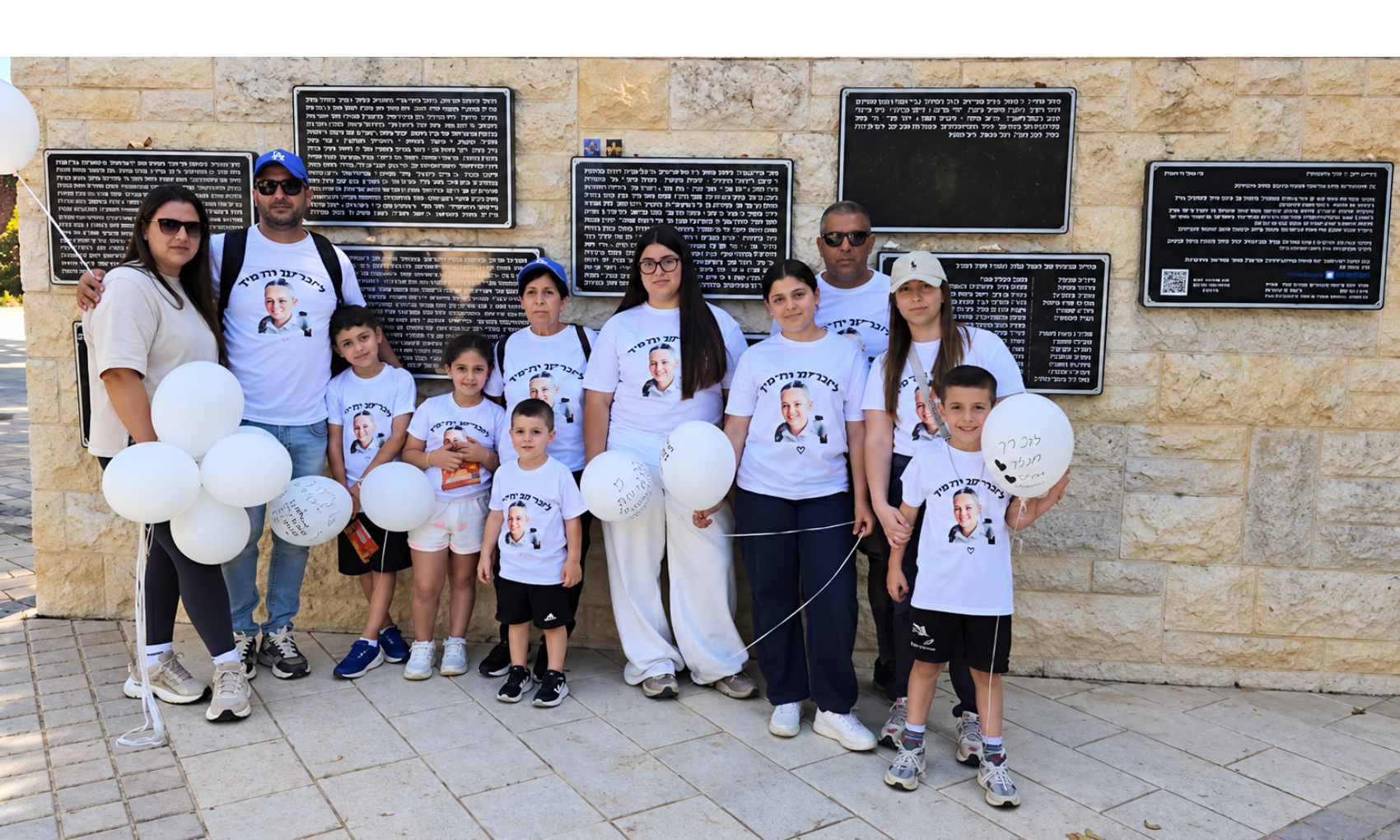
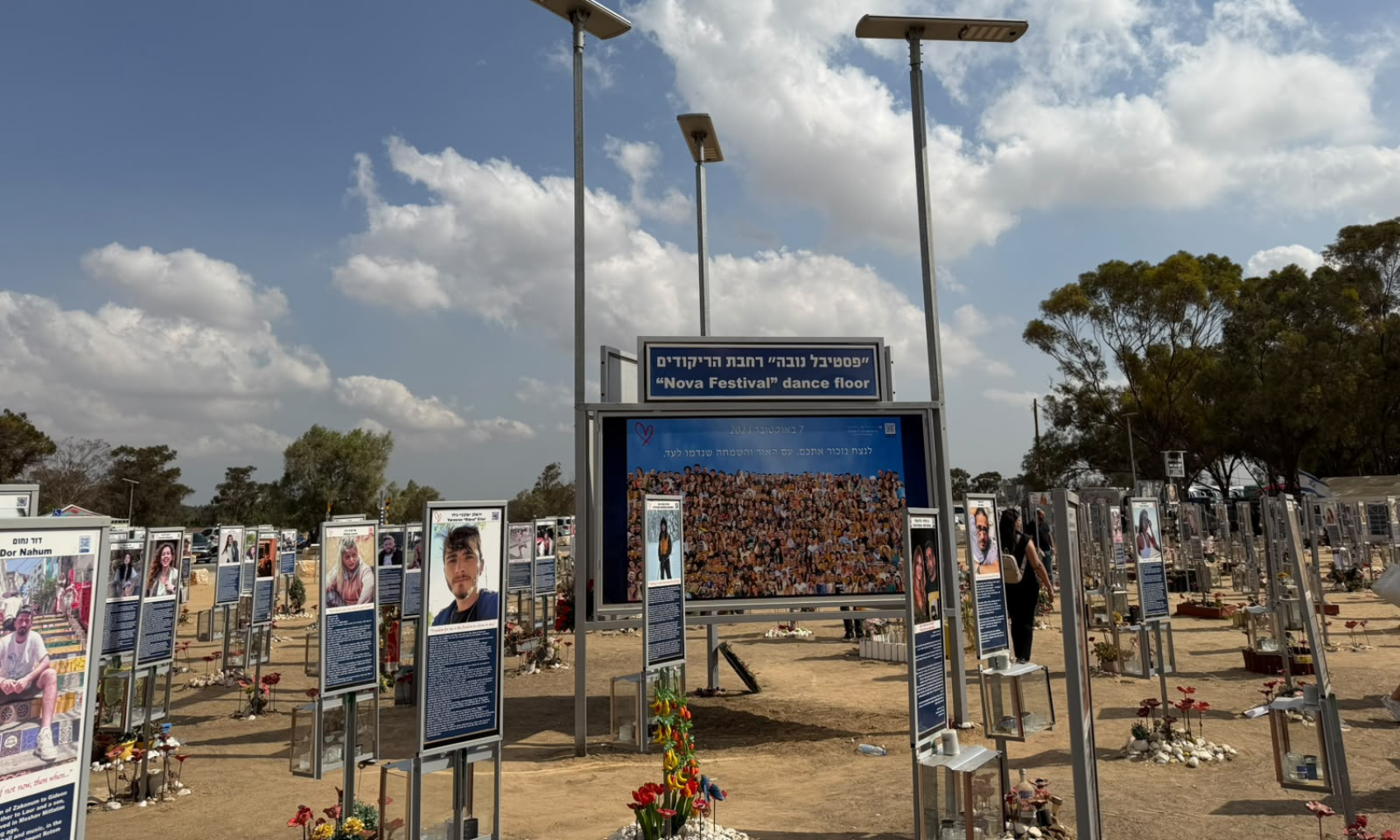
To mark three years since the events of October 7, we are giving space to the personal stories that have remained with Electra FM employees and their families. Stories of remembrance, loss, love, and the strength that allows people to keep moving forward even when life changes in an instant. One of these is the story of Sheli Mordechay, Administration and Training Manager at Electra Tomer, whose family experienced October 7 and the war that followed as a deeply personal journey of loss, coping, and the choice to keep going.
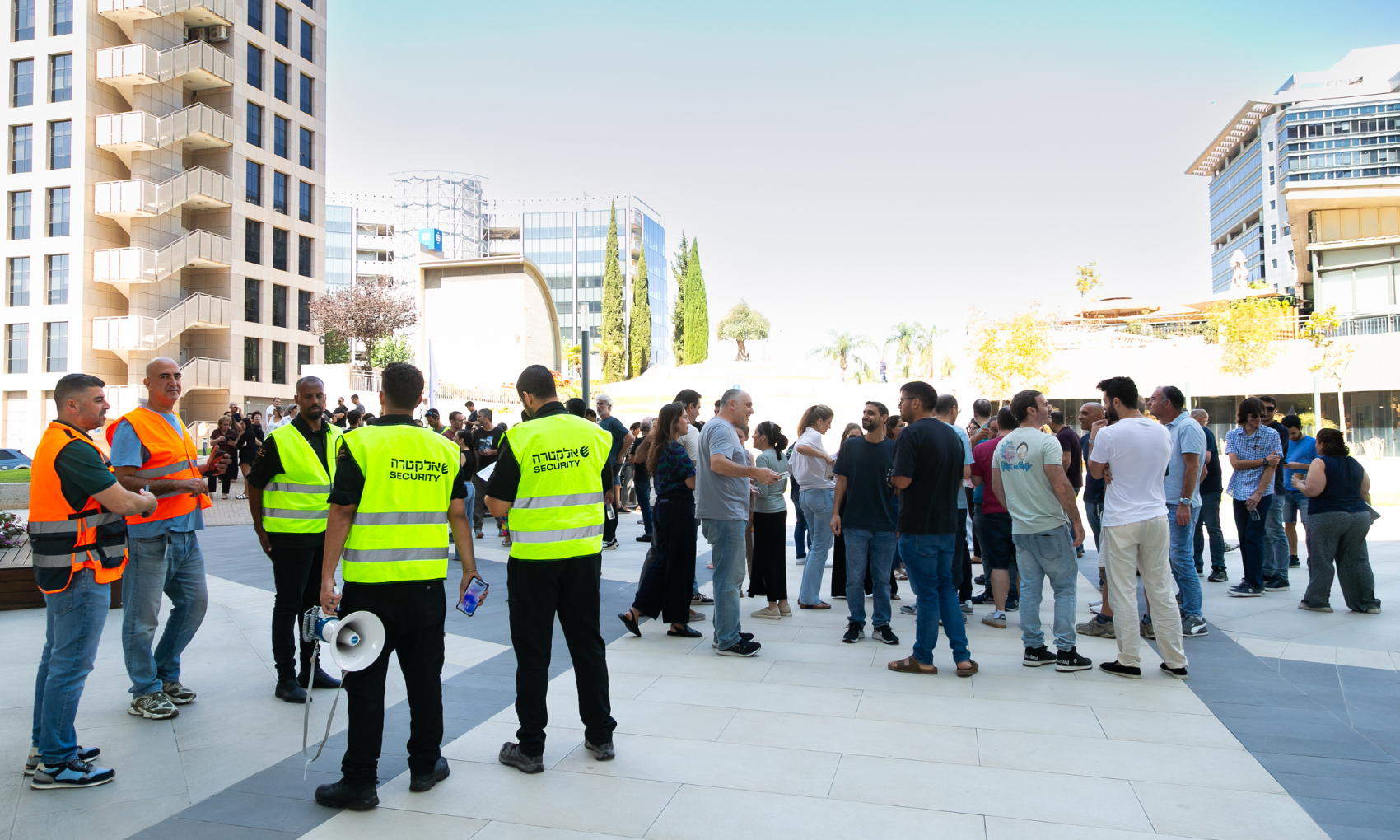
Sheli remembers clearly the moment she realized that life as she knew it had changed. On the morning of October 7, her husband woke her and said, “Sheli, war has started.” A few hours later, she received a call from her manager and was asked to come to work, pull the employee lists, and begin checking where each person was.
As someone working for a company that maintains security facilities, the sense of responsibility was clear to her from the very beginning. Amid the uncertainty and concern, work became an inseparable part of the effort to maintain operational continuity and ensure the well-being of employees. Shortly afterward, her husband was called up for reserve duty, and Sheli found herself balancing work, home, three children, and the daily worry for her husband.
In the months that followed, the war became a deeply personal story of loss for her family as well.
On March 19, 2024, Sheli received one of the most painful pieces of news of her life: her older cousin, Sabastian Haion, of blessed memory, was killed in combat at Shifa Hospital. Sabastian immigrated to Israel alone at the age of 13, without his family. According to Sheli, he was deeply Zionist, and serving and contributing to the country were among the values that mattered most to him. During his reserve service, he served in Brigade 401.
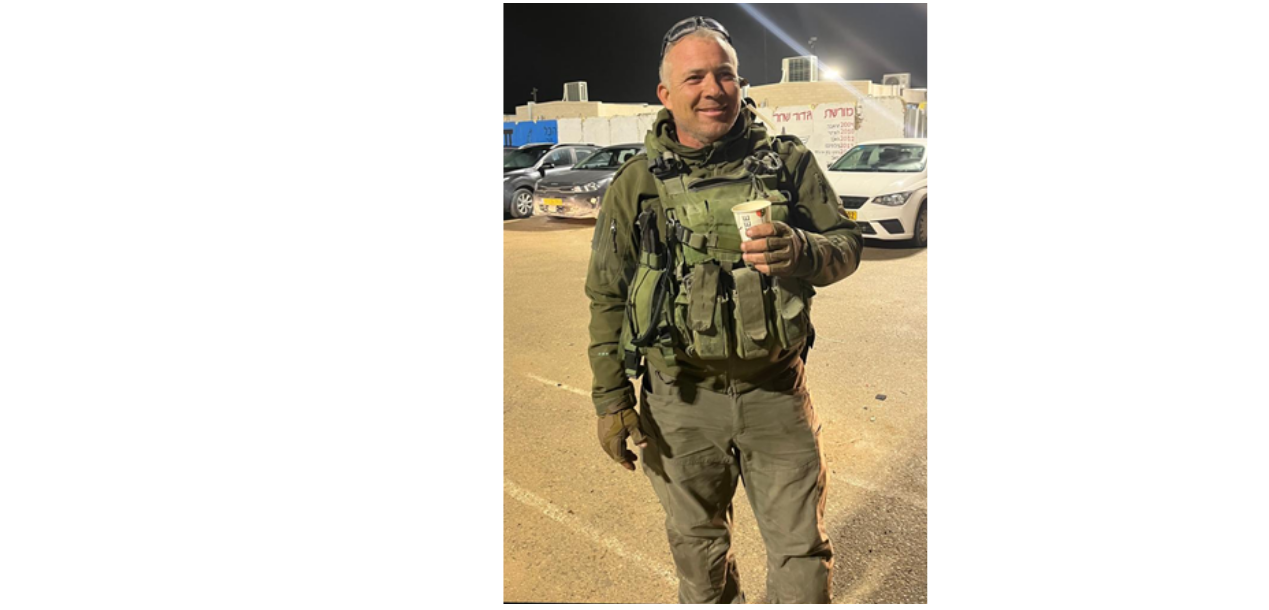
On October 7, he went out with the members of his unit even though he was not obligated to do so. He was already beyond reserve-service age and had previously battled cancer, but none of that stopped him. “There was only one thing that mattered to him: saving as many people as possible,” Sheli says. For the family, his death was a devastating loss. He was a man who chose Israel every day, and on one of its darkest days, chose once again to show up and defend it.
Sheli remembers Sabastian as a deeply family-oriented person who showed his love through strong hugs and kisses. Alongside their personal memories, the family also chose to commemorate one of his greatest passions, football, by holding a tournament in his memory.
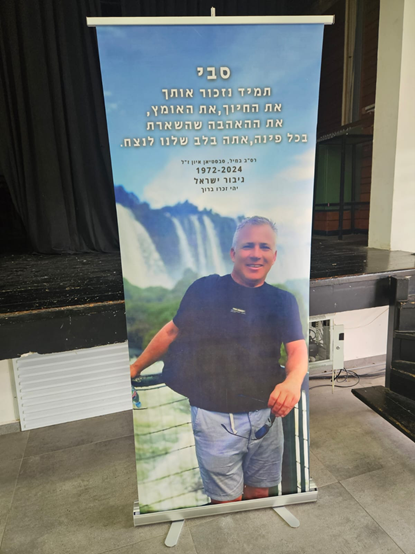
On December 26, 2025, the family suffered another devastating loss when Shimshon Mordechy, of blessed memory, Sheli’s father-in-law, was murdered in a ramming attack in Beit She’an. “It was a Friday I will never forget,” she says. Her husband received a call from his aunt telling him that his father had been hit by a vehicle. At that point, they still did not know it was a terrorist attack.
The two immediately began driving toward Beit She’an. During the drive, Sheli saw a news report stating that a man around the age of 70 had been murdered in an attack in the city. “I looked at my husband and I already understood,” she recalls. When he asked her what she had read, she told him about the report. “And then we both burst into tears. I had never seen my husband break down like that.”
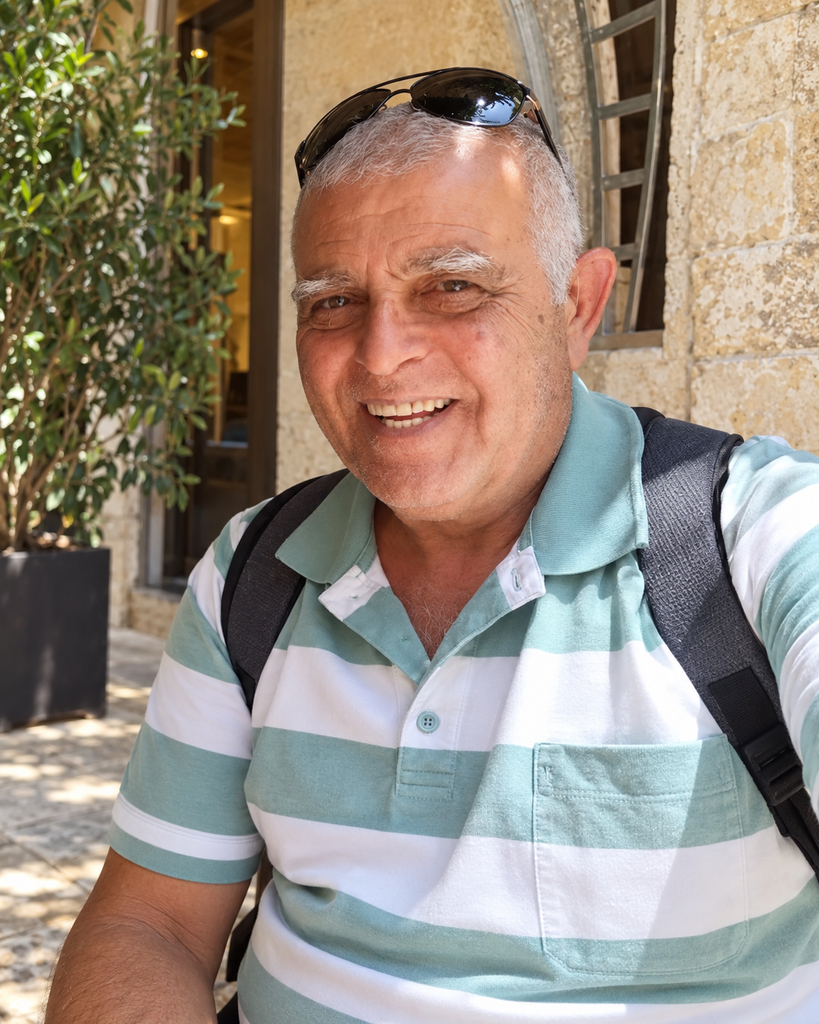
Alongside the loss itself, the family also had to face the painful question of how to tell three children that their grandfather had been murdered in a terrorist attack. How do you explain to Naor, her six-year-old son, what a terrorist attack is and why the grandfather he loved so much is not coming back?
Sheli says that during that period, she felt she had to remain strong for her mother-in-law, her husband, his brother, and the children. To keep functioning, keep working, keep being a mother, a wife, and a family member. Only in the evenings, when she returned home, did she allow herself to quietly fall apart when no one could hear.
But when Sheli speaks about Shimshon, it is important to her that his memory not remain defined only by the moment his life was taken. According to her, Shimshon was a man of kindness and faith. A person who always saw others, especially those who were struggling or needed help. Giving was an inseparable part of who he was, and he was always there for anyone who needed him. To the family, he was a loving and devoted father and father-in-law, and to her children, a grandfather they loved deeply.
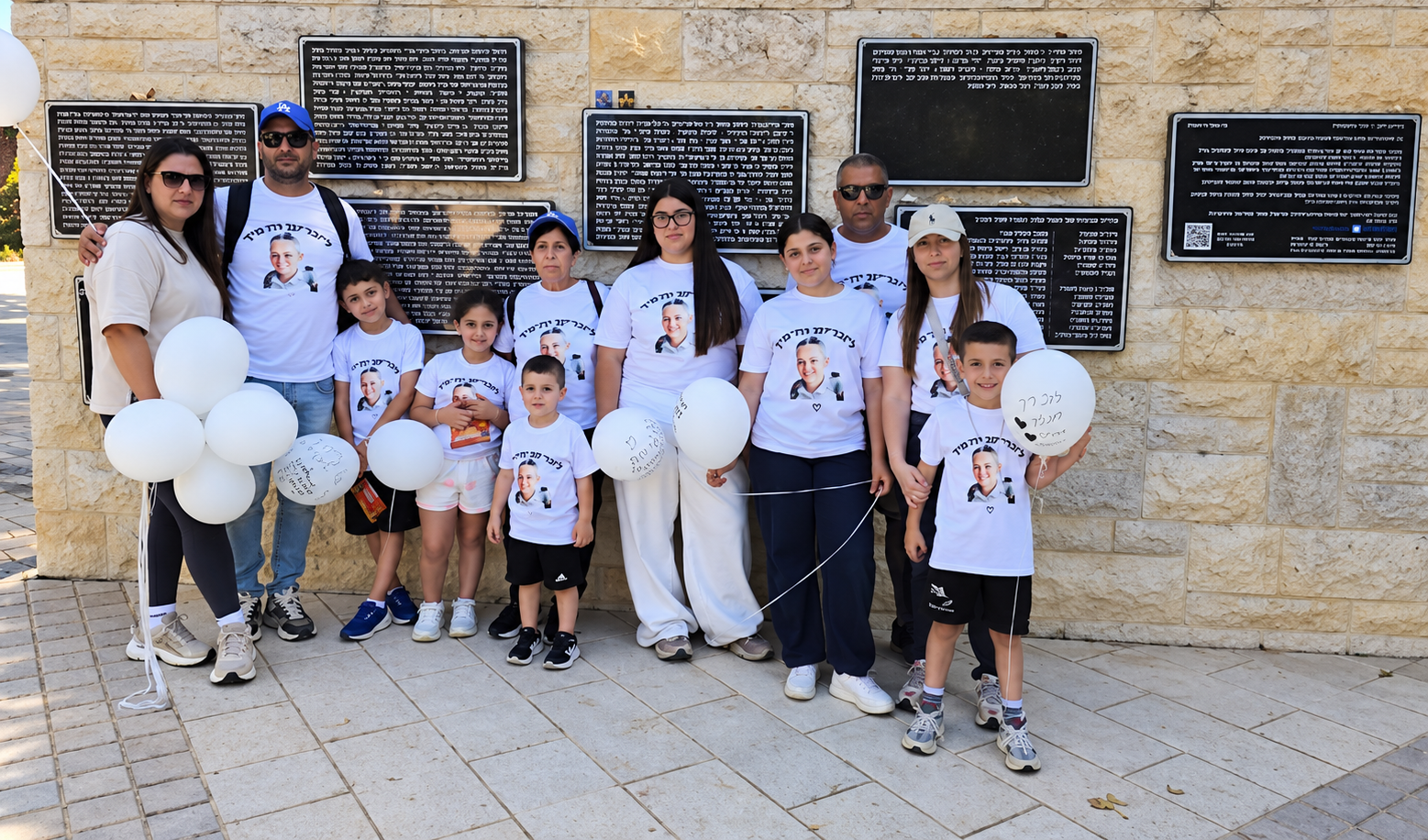
The family chose to commemorate Shimshon through a journey to Jerusalem, a city he loved very much. A year before the attack, he had toured the city with his wife and wanted to visit additional sites but did not manage to reach them. His wife told him they would do it another time. Sadly, that next time never came. On his Hebrew birthday, the entire family set out on a memorial journey to the places he had wanted to visit but never reached, ending at Mount Herzl, at the memorial for victims of hostile acts.
Looking back on the period she has lived through, Sheli understands just how much war is present not only in sirens and news reports, but also in the everyday lives that continue alongside the pain: children who need to be raised, work that still needs to be done, a home that needs to be held together, and loved ones waiting for those close to them to return home safely.
Through all of this, she says, she has also learned about the strength people carry, about responsibility, mutual support, the ability to continue even when things are difficult, and the choice not to give up. Sabastian and Shimshon, of blessed memory, left behind an enormous void, but also a legacy of love, generosity, and courage.
“I choose to believe that light can still grow out of all this pain. That we will know quieter days, that we will take care of one another, and that we will finally be able to build a future for our children filled with security, love, and hope. Because even after the hardest period, we have to keep believing that things can get better.”