
Inauguration Ceremony for a Synagogue and Mezuzah Affixing at Israel’s Ministry of Foreign Affairs in Jerusalem
15 February 2026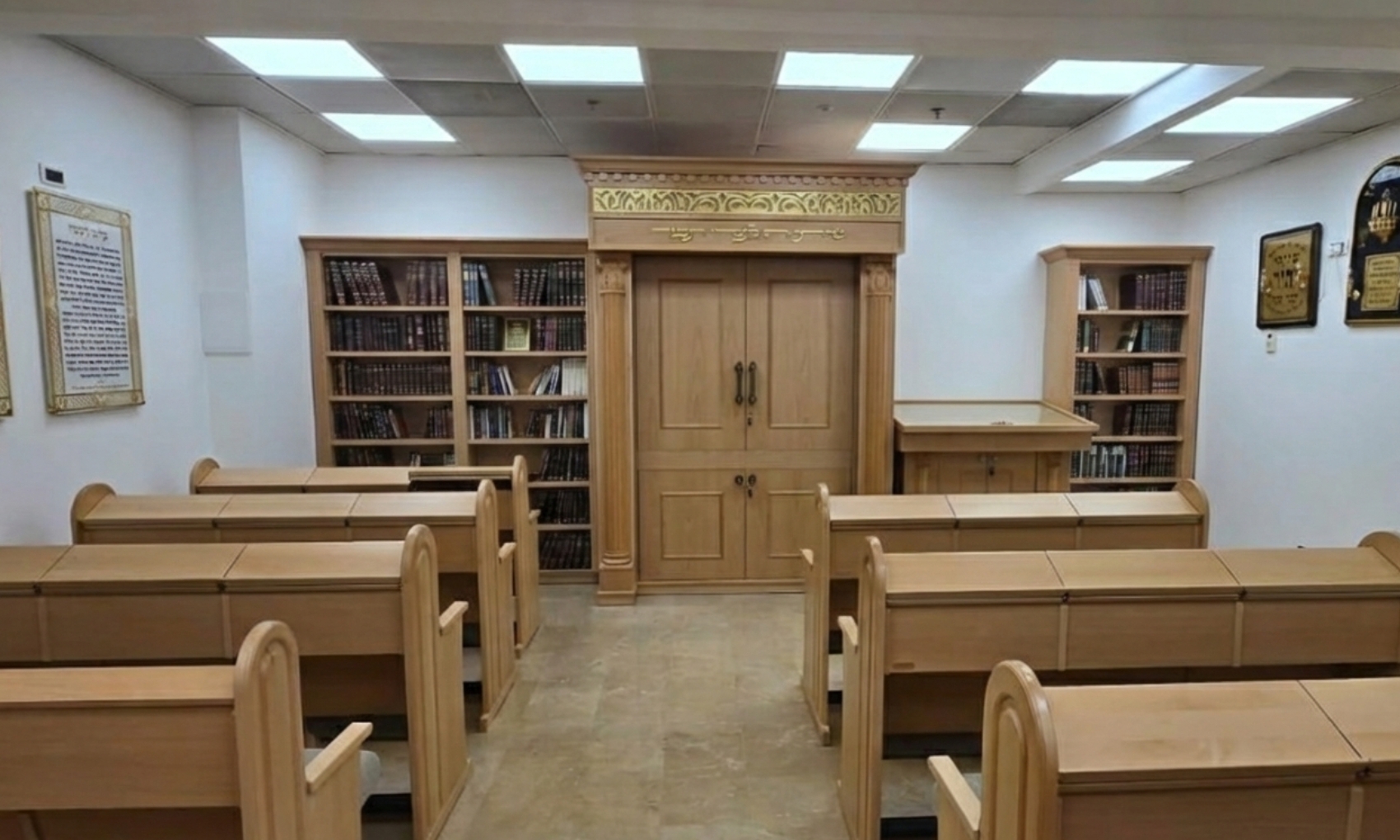
There are operational projects measured by timelines, budgets, and deliverables. And there are projects that begin as professional assignments and evolve into something far more meaningful.
As part of the ongoing collaboration with officials at the Ministry, during one of the site visits the team was presented with four Torah scrolls, each originating from a different part of the world. One of the scrolls, it was revealed, is approximately 300 years old.
For Vered Balisha, Site Manager at the Ministry of Foreign Affairs, and Avi Buzaglo, Project Manager in the Maintenance Division at Electra FM, this encounter became a turning point. It led to the decision to establish a synagogue to house Torah scrolls that had arrived from various communities worldwide, some of which had not previously had a permanent home.
The establishment of a synagogue is not a standard project. It requires sensitivity, precision, and a deep understanding of specific religious and functional needs, all within a governmental framework characterized by strict procedures, tight timelines, and a defined budget.
Several key challenges emerged throughout the project: a demanding schedule, a limited budget alongside the requirement for a high execution standard, preservation and adaptation of existing carpentry work to align with the new design, and coordination among professional teams, suppliers, and contractors. The process included gathering information, studying the unique requirements, managing tailored procurement, and mobilizing multiple stakeholders, all while ensuring the project remained within budget without compromising quality.
Throughout the process, the cooperation of the Ministry’s representatives stood out. Despite operating within a highly regulated and operationally sensitive environment, there was a strong sense of partnership and a shared commitment to advancing the project respectfully and precisely. The synagogue was conceived as a space belonging to all Ministry employees and visitors. For an institution active on the international stage and closely connected with Jewish communities worldwide, creating a dignified home for the Torah scrolls also carries broader symbolic significance – continuity, identity, and preservation of heritage.
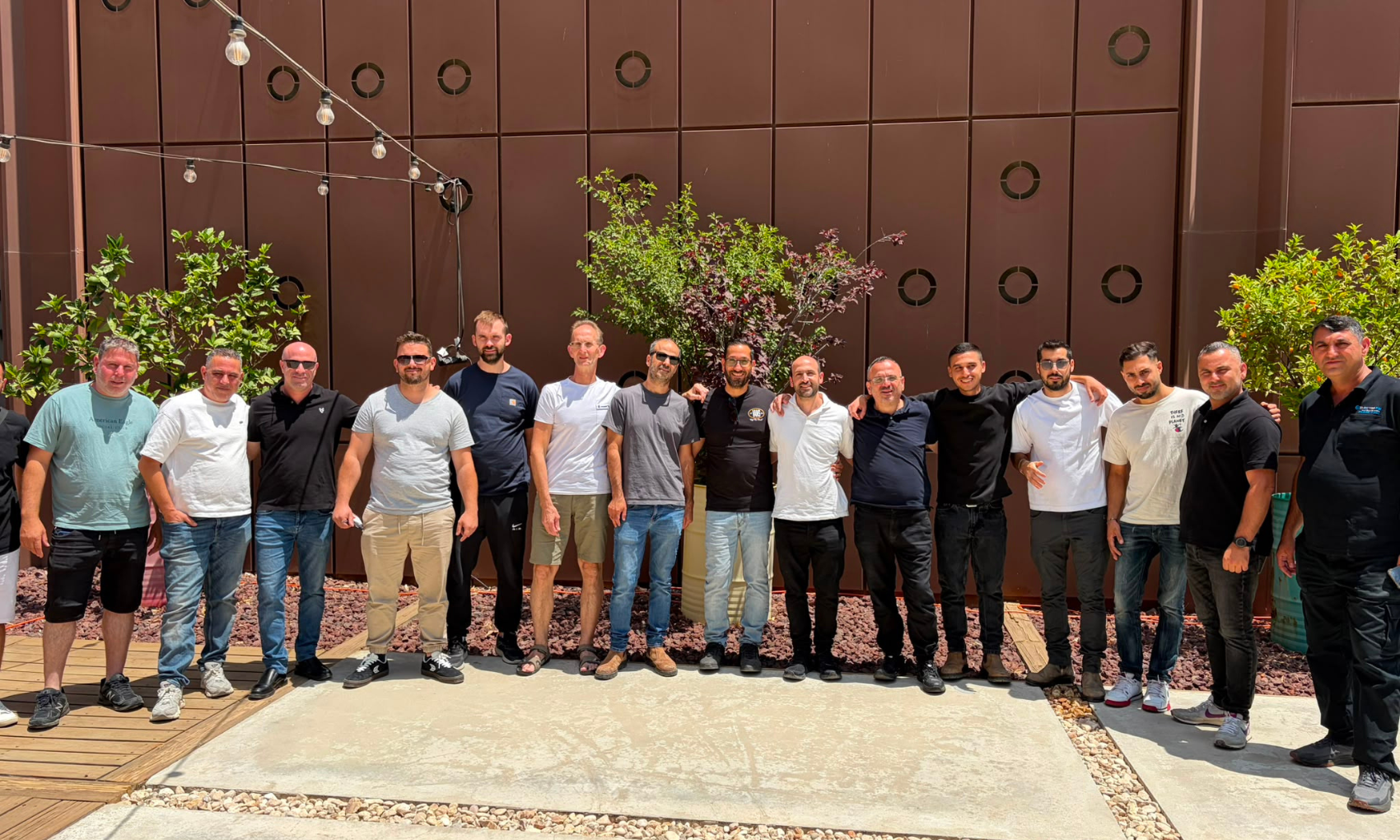
On Tu BiShvat, an inauguration ceremony and mezuzah affixing were held at the Ministry of Foreign Affairs in Jerusalem. The ceremony took place in the presence of the Minister of Foreign Affairs, Gideon Sa’ar; the Rabbi of the Western Wall, Rabbi Shmuel Rabinovitch; the Ministry’s management and staff; and the organization’s leadership and employees.
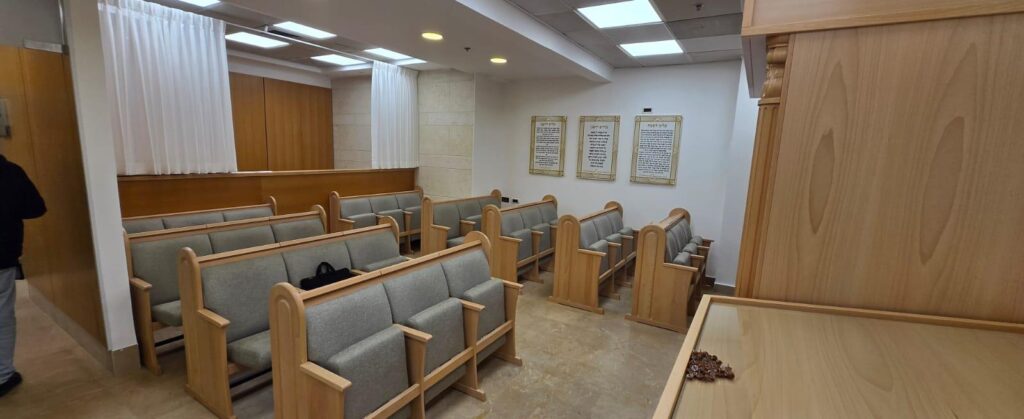
The event marked the completion of the project and the installation of the Torah scrolls in their new space. Ministry employees participated in the ceremony, singing and dancing together, and the atmosphere reflected a sense of unity, pride, and belonging. For those involved in the project, it was a moment to pause from daily operational routines and the constant focus on metrics and outcomes, and to experience something rooted in shared values and community.
Beyond this milestone moment, the project illustrates how maintenance work can extend beyond the management of systems and infrastructure. At times, the most meaningful value lies in the ability to identify a need, assume responsibility, and lead a complex process that was not part of the original plan.
For Electra FM, this project reflects a broader professional approach: quality maintenance is grounded not only in precise execution, but also in understanding the client’s context, demonstrating sensitivity to unique needs, and delivering outcomes that connect professionalism, people, and values.
In this case, that approach translated into a tangible initiative that left behind a permanent and dignified space for Torah scrolls that arrived from communities around the world. The synagogue is expected to serve Ministry employees and visitors for prayers, ceremonies, and events, providing a space that bridges daily work with tradition and identity.
Ultimately, this is a story about managing a process with commitment — and about the understanding that even within operational projects, it is possible to create value that endures long after the work is completed. Electra FM is proud to have taken part in a project carried out with professional dedication and deep respect for values and heritage.